

Lighting
Day, night, glare, backlight and changing illumination all influence sensor, lens and illumination choices.
SURVEILLANCE CAMERAS
A professional camera is not selected by shape or megapixels alone. It must deliver the right detail at the required distance, handle light and motion, fit the environment and support the way your team records, investigates and responds.
START WITH THE SCENE
The useful question is not how many cameras fit a plan. It is what each viewpoint must help your team detect, observe, recognize or identify—and what decision follows.
Day, night, glare, backlight and changing illumination all influence sensor, lens and illumination choices.
The image must hold the detail your team needs at the actual distance—not only look sharp on a specification sheet.
Traffic flow, speed and operator response determine frame rate, positioning, analytics and viewing priorities.
Heat, rain, dust, vibration and mounting conditions shape the housing, protection and installation approach.
READ THE SPECIFICATION
A camera schedule should translate operational needs into measurable image, lens, lighting, motion, analytics and environmental requirements—not rely on one headline specification.
Megapixels describe image size; pixel density tells whether a person, vehicle or object will carry enough detail at the target distance.
Focal length, sensor size, mounting height and angle define what the camera actually sees. A wider image can reduce useful detail.
Sensor size, aperture, illumination and wide dynamic range determine how well a scene holds faces and objects in darkness, glare and backlight.
Fast vehicles and moving people need sufficient frame rate and shutter speed—balanced against available light, bandwidth and storage.
Object classification, line crossing, intrusion zones and attributes can reduce review time when rules are designed around real operating decisions.
Verify IP and IK ratings, operating temperature, PoE budget, edge storage, cybersecurity and VMS compatibility before final selection.
Specification note. Values shown below are representative ranges across professional camera families. The correct model, lens and feature set depend on the site survey, target distance, light, mounting and integration requirements.
CHOOSE BY ROLE
Different formats solve different viewing problems. The final choice comes from the scene, evidence need and operating workflow.
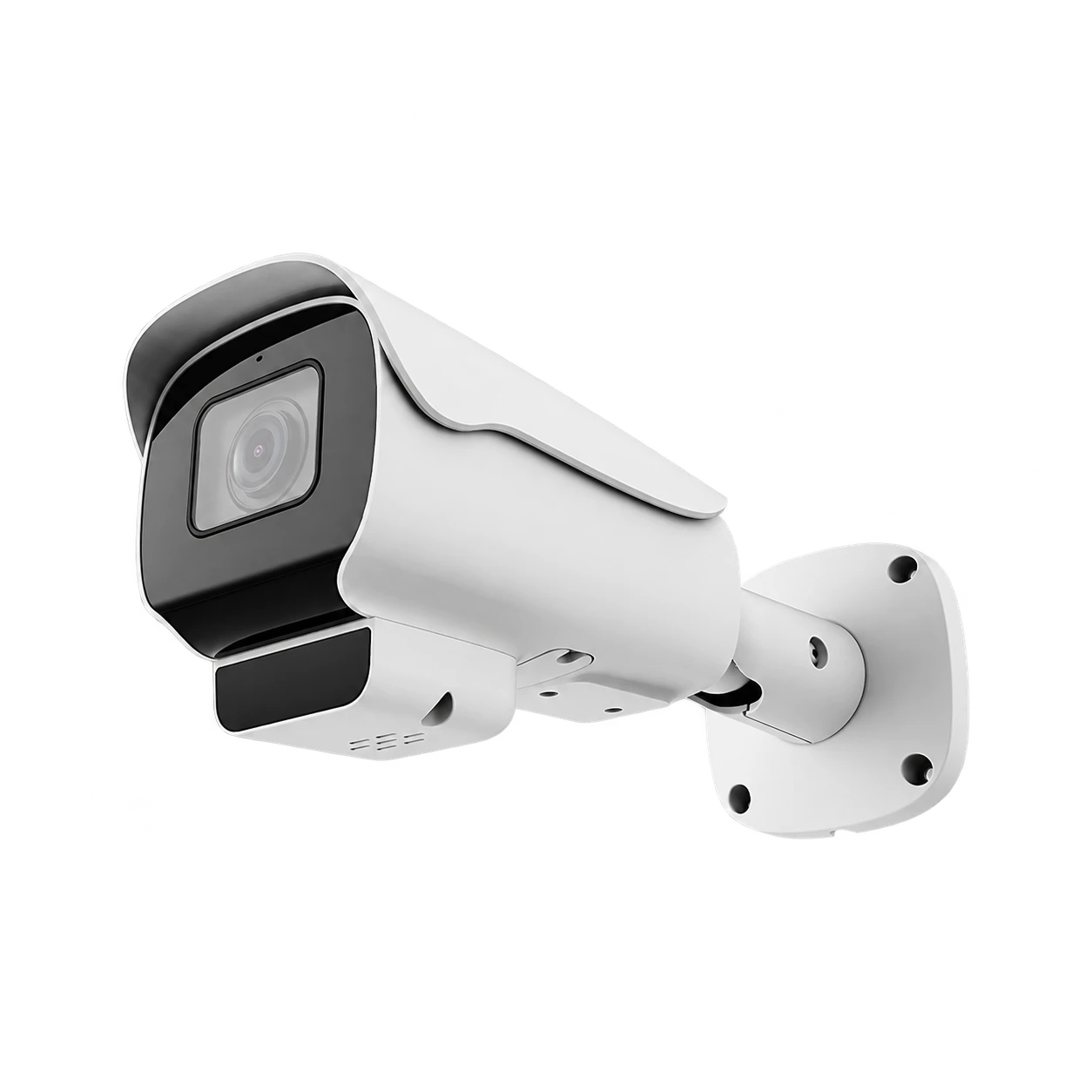
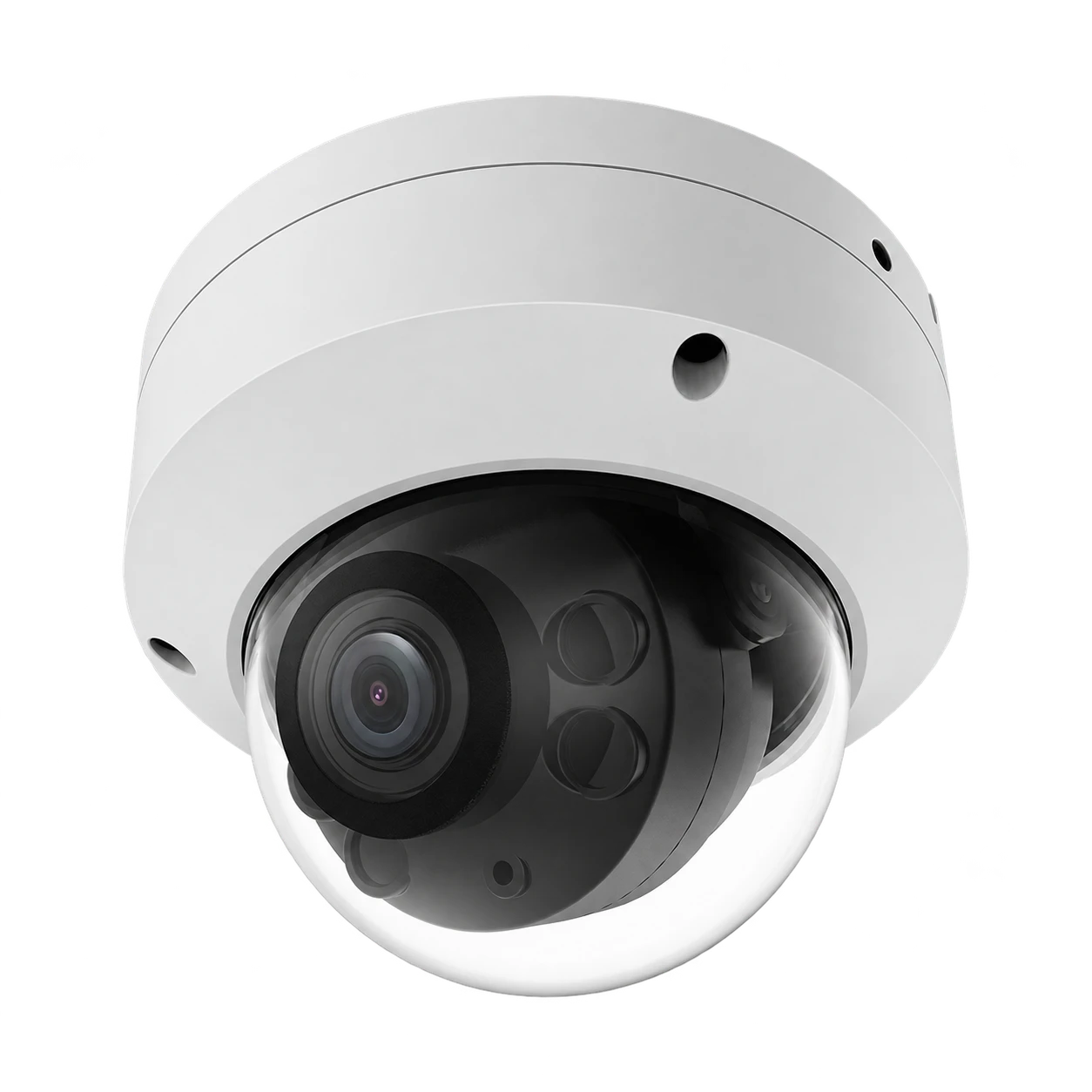 APPLICATION-LED SELECTION / IP CAMERAS
The everyday foundation for entrances, corridors, offices, retail floors and general site coverage—selected by the scene, mounting position and evidence requirement.
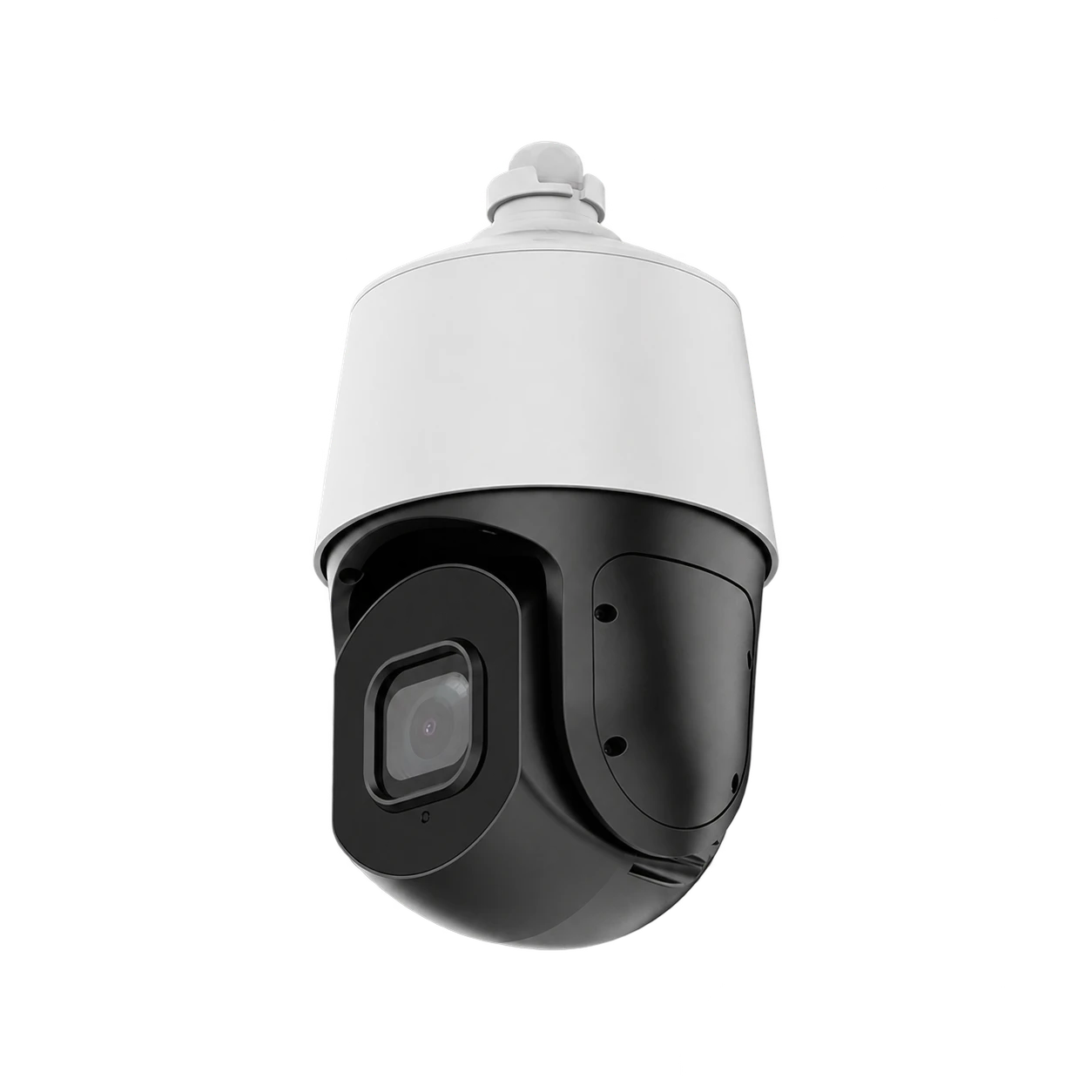
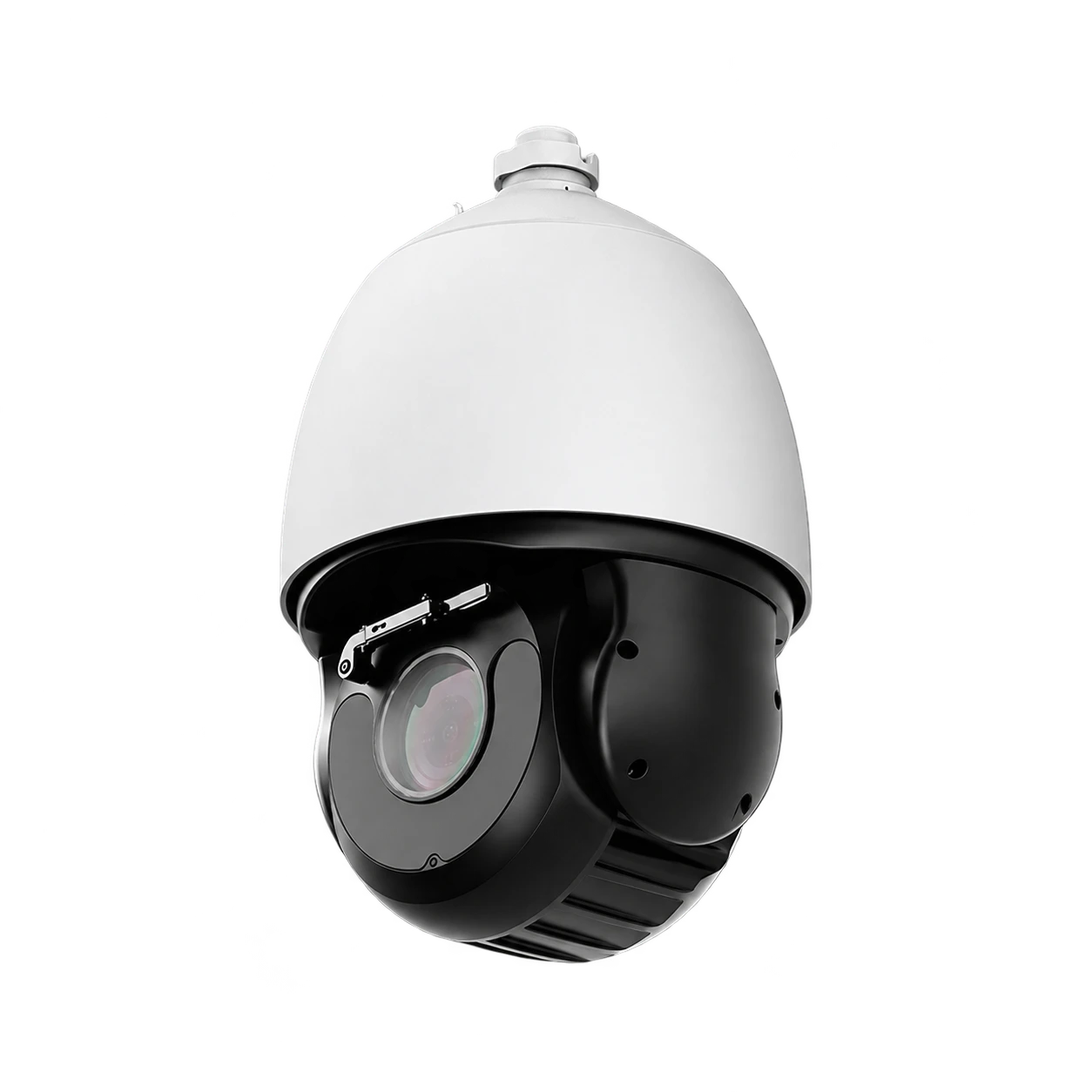 APPLICATION-LED SELECTION / PTZ CAMERAS
Active oversight for wide or changing scenes where operators need to move, zoom, patrol and follow activity from a central monitoring environment.
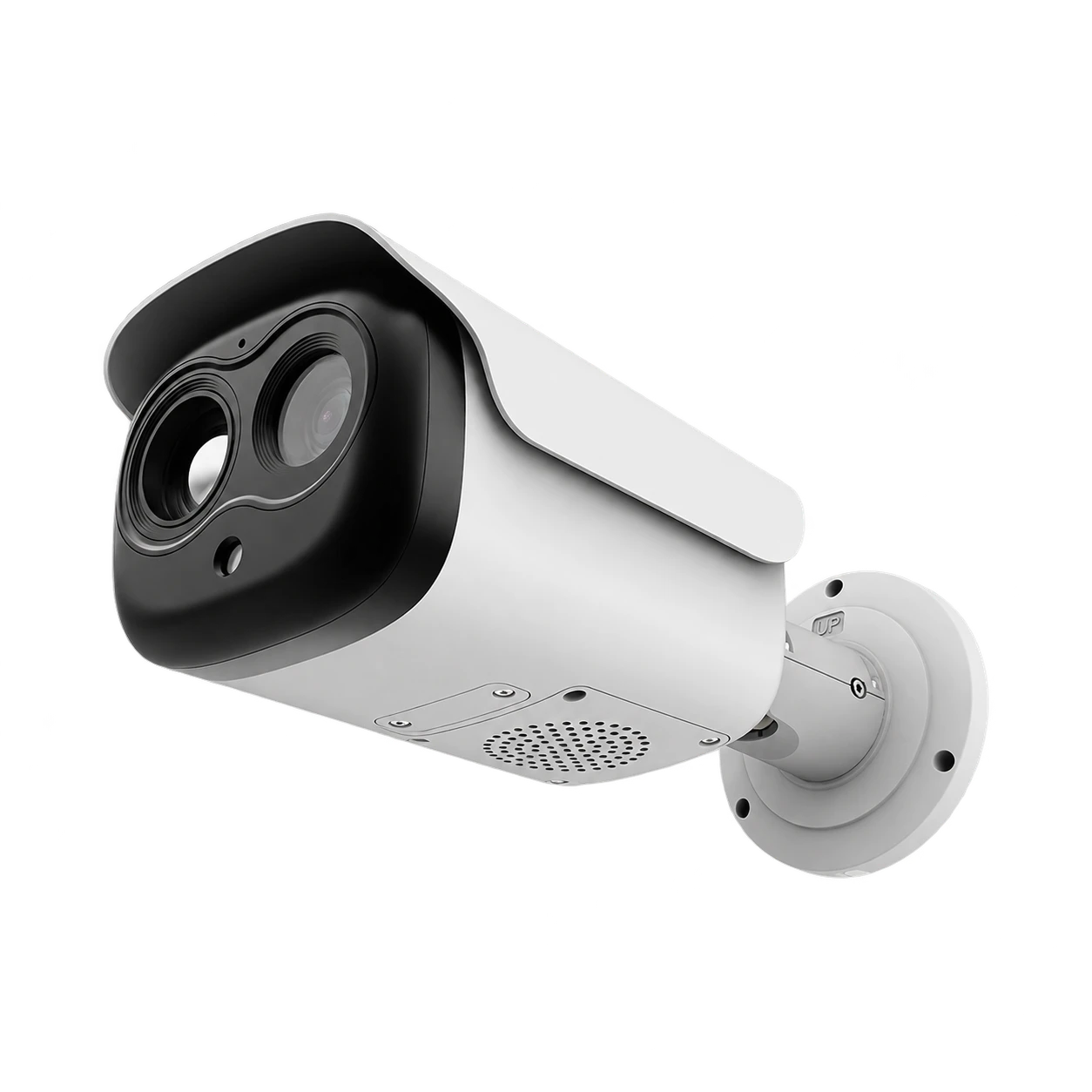
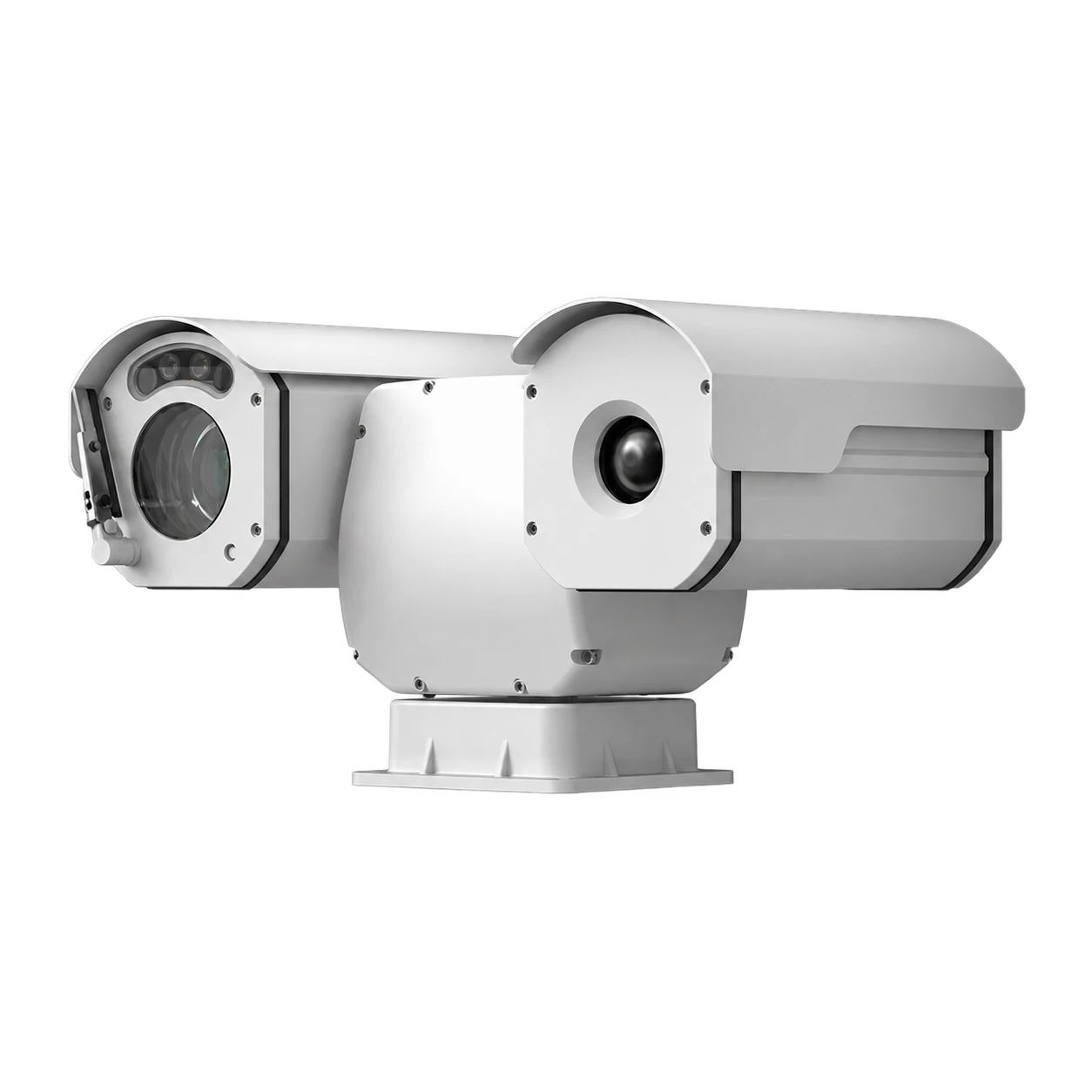 APPLICATION-LED SELECTION / THERMAL CAMERAS
Heat-based detection for perimeter, industrial and specialist applications where visible-light imaging alone may not provide dependable awareness.
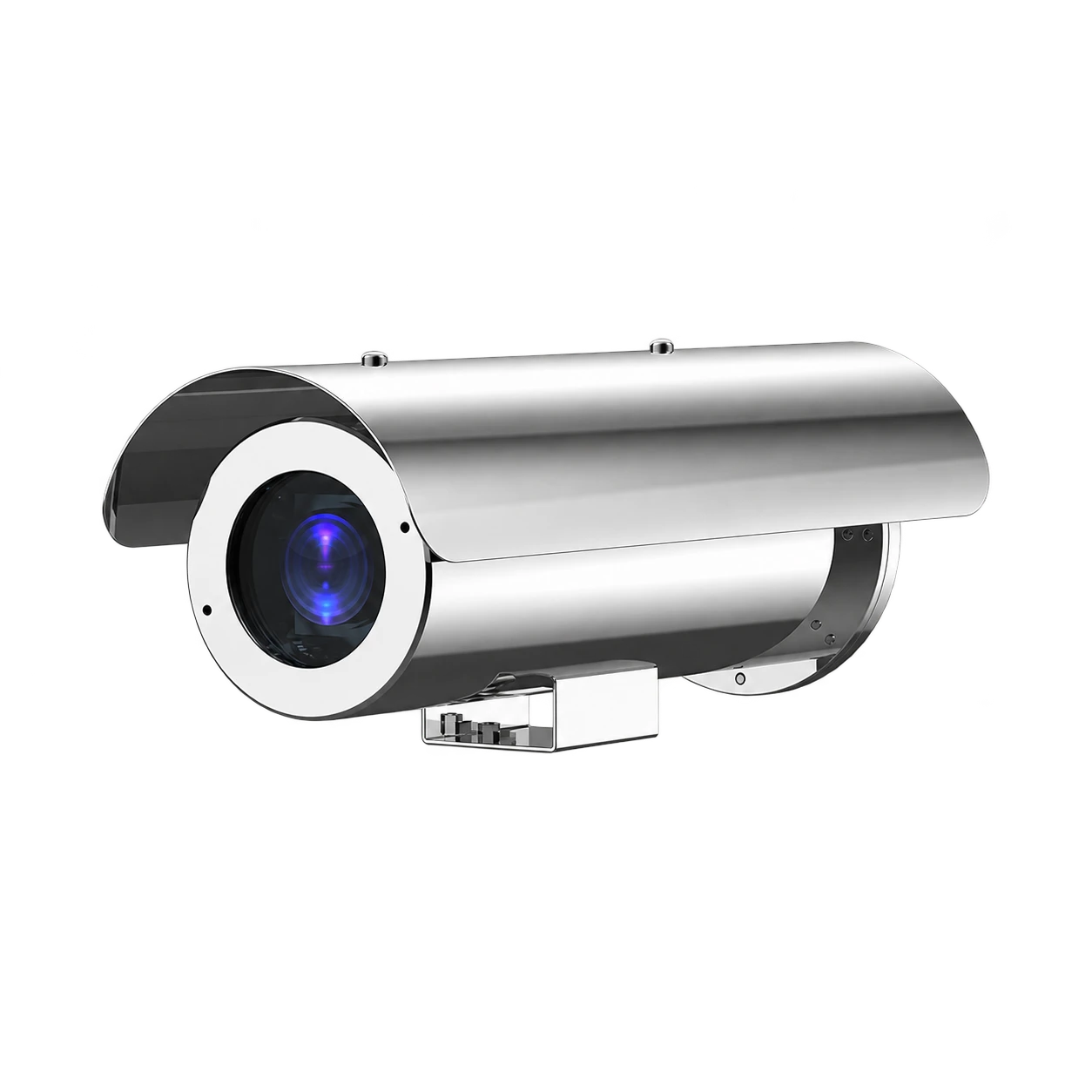
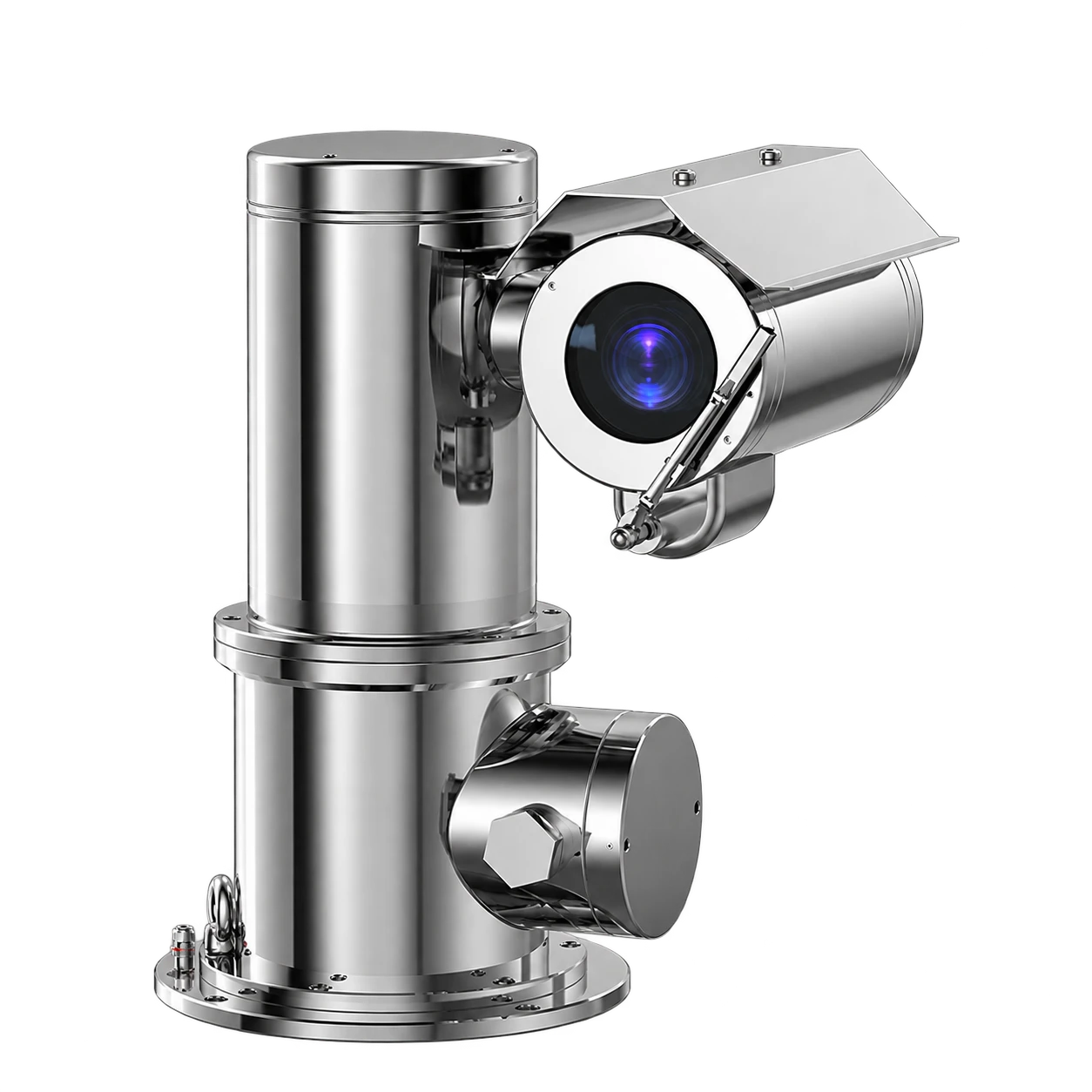 APPLICATION-LED SELECTION / SPECIALTY CAMERAS
Purpose-selected formats for panoramic coverage, long-range observation, hazardous areas and harsh environments beyond standard fixed-camera duty.
WHY ZICORE
A strong result comes from the complete chain: requirement, viewpoint, infrastructure, recording and verification. Our work connects those decisions before installation and proves them during commissioning.
We plan around the decision each image must support. That keeps camera choice, installation and system integration focused on usable outcomes rather than equipment count.
Identify whether each scene must detect, observe, recognize or identify—and what action follows.
Match lens, sensor, position, illumination and housing to distance, movement and environment.
Coordinate PoE, switching, bandwidth, recording, analytics and VMS workflows as one architecture.
Commission critical views in day and night conditions, then verify alerts, playback and evidence export.
FROM IMAGE TO ACTION
Image quality matters, but so do the network, recording policy, video management and the way an operator receives and verifies an event. Zicore treats them as one system.
Capture the scene with the right field of view and detail.
Carry video reliably across the network and site infrastructure.
Retain usable evidence around operational and compliance needs.
Organize live views, playback, alerts and analytics in one workflow.
Help operators verify events and take informed action.
OUR CAMERA BRANDS
Our camera portfolio gives Zicore the flexibility to balance image quality, environment, integration, application and budget without forcing every site into the same specification.

Specialist camera options spanning AI network, PTZ and thermal applications for projects that need targeted imaging capabilities.
Explore Ikegawa
A broad camera ecosystem across fixed, PTZ, thermal and specialist applications, suitable for varied site conditions and system scales.
Explore Hikvision
Camera choices across IP, HDCVI, PTZ and thermal ranges, supporting flexible deployment approaches and established surveillance workflows.
Explore Dahua
A focused professional IP video portfolio covering fixed cameras, PTZs and complementary recording for coordinated surveillance systems.
Explore UniviewTechnical range references: network cameras, PTZ cameras, thermal cameras and explosion-proof cameras from official manufacturer product families.
START WITH THE VIEWPOINT
Tell us about the site, critical areas, distance, lighting, existing system and evidence requirements.